By: Duane Craig
Regardless of what Watertown, N.Y. residents might want, the state’s Department of Environmental Conservation says it won’t be doing any more environmental testing at the former New York Air Brake site, according to this article.
Besides residents, public officials are also concerned about high cancer rates and other illnesses that affect the north side of that community. Of increasing concern, is the possibility of vapor intrusion into nearby homes from high levels of chemicals that have made their way into the soils beneath the homes. DEC says it won’t be monitoring any indoor air quality in the homes, however monitoring does continue at the site every year.
Reassurances from the DEC largely fell on deaf ears at a recent neighborhood meeting that was also attended by environmental activist Erin Brockovich. One resident who orchestrated the meeting has been disabled by a neurological disease and another resident who attended claimed he remembers dumping chemicals from the facility’s operations.
Those operations started in 1876 when Eames Vacuum Brake Co. was founded as a vacuum break manufacturer. It was making a new kind of pneumatic brake for railroads operating in the area, according to this historical account. In 1919 the company had 7,000 employees making horse-drawn cannons and then during World War II it was busy making tanks and military hardware. General Signal Corp. bought the operations in 1967 and by 1980 had 2,200 employees making parts for aerospace and defense contracts, heavy machinery and farm equipment. The business’ makeup gets a little murky after that as a portion of it was purchased by a German company that eventually moved its operations to North Charleston, S.C. Other portions of the business still owned by General Signal continued to operate in the area as a foundry and maker of railroad car brakes.
General Signal admitted in 1988 that it disposed of toxic chemicals in a landfill on the site. Ten years of testing and cleanup followed, so that today, drainage from the landfill collects in a pond where the water is treated before it is released, according to this article. At one time, toxic chemicals such as polychlorinated biphenyls, or PCBs, as well as trichloroethylene, or TCE, were present in two creeks that flow nearby. People in the area wonder today how much of those materials remain in the soils and continue to migrate to adjacent lands.

Water Contamination, Land Pollution & Hazardous Waste Material are issues families all across America are afflicted with daily.
Showing posts with label vapor intrusion. Show all posts
Showing posts with label vapor intrusion. Show all posts
Wednesday, October 17, 2012


Thursday, March 1, 2012
Vapor Intrusion Sampling Continues in Clearfield
By: Duane Criag
 Since the discovery of a plume of groundwater contamination in Clearfield, Utah, 168 homes have been sampled for indoor chemical vapors, according to an article in the Standard-Examiner. Every year since 2003, a certain number of the 300-350 homes in the area have been sampled for the vapors.
From the end of World War II into the 1960s, nearby Hill Air Force Base disposed of trichloroethylene, or TCE, and tetrachloroethylene, or PCE, onsite, leading to a plume of groundwater contamination that covers approximately 142 acres. There are two levels of groundwater affected—the shallow level is contaminated with TCE and PCE, while the deeper level is contaminated with just TCE.
The base monitors the situation and does the testing, and it recently assured the residents that there is nothing to be concerned about because the groundwater that is affected is not used for drinking. The major concern, according to the government, is the potential for vapor intrusion when the vapors from the chemicals make their way through cracks in foundations and into the airspace of the homes. Surprisingly, according to the city manager, many people don’t have the testing done.
The base is supposed to choose a cleanup option by February 2014.
From the end of World War II into the 1960s, nearby Hill Air Force Base disposed of trichloroethylene, or TCE, and tetrachloroethylene, or PCE, onsite, leading to a plume of groundwater contamination that covers approximately 142 acres. There are two levels of groundwater affected—the shallow level is contaminated with TCE and PCE, while the deeper level is contaminated with just TCE.
The base monitors the situation and does the testing, and it recently assured the residents that there is nothing to be concerned about because the groundwater that is affected is not used for drinking. The major concern, according to the government, is the potential for vapor intrusion when the vapors from the chemicals make their way through cracks in foundations and into the airspace of the homes. Surprisingly, according to the city manager, many people don’t have the testing done.
The base is supposed to choose a cleanup option by February 2014.
Monday, December 12, 2011
Whoops, TCE and PCE on the Move Again at Bennington Superfund Site
By: Duane Craig
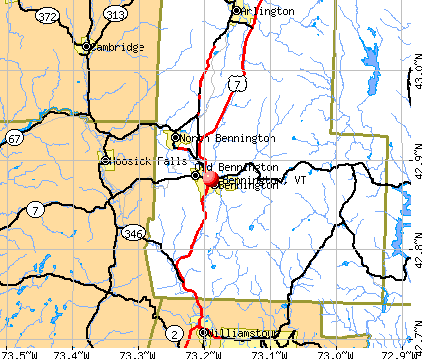
A very deep trench is proposed to subvert the movement of contamination from a former landfill in Bennington, Vermont, according to this article in the VTDigger.org. The landfill is also a formerly active Superfund site with remediation completed in 1999, according to the Environmental Protection Agency.
In 1976, a system was installed to lower the groundwater beneath the landfill by carrying it away to an unlined, pond area. Ten years later PCBs, lead, arsenic, benzene and ethylbenzene were flowing into the pond, according to this EPA report.
The new trench will be 25 feet deep and 200 feet long. Because it goes down to impervious soil it is expected to catch the contaminants. The bottom of the trench will be filled with sand and iron shavings to break down the contaminants and stop their movement.
A very deep trench is proposed to subvert the movement of contamination from a former landfill in Bennington, Vermont, according to this article in the VTDigger.org. The landfill is also a formerly active Superfund site with remediation completed in 1999, according to the Environmental Protection Agency.
Groundwater contamination found in Barney Brook
Trichloroethylene, or TCE, and tetrachloroethylene, or PCE, have escaped from the landfill which was previously capped and adorned with a soil vapor extraction system. Apparently the groundwater flow changed and some contamination has been found in a tributary to Barney Brook. For six years in the late 1960s and early 1970s, the landfill was a dumping place for industrial wastes from local companies. Those wastes included polychlorinated biphenyls, or PCBs, organic solvents and lead. These wastes were dumped into a lagoon that was not lined to prevent absorption into the soil.In 1976, a system was installed to lower the groundwater beneath the landfill by carrying it away to an unlined, pond area. Ten years later PCBs, lead, arsenic, benzene and ethylbenzene were flowing into the pond, according to this EPA report.
The new trench will be 25 feet deep and 200 feet long. Because it goes down to impervious soil it is expected to catch the contaminants. The bottom of the trench will be filled with sand and iron shavings to break down the contaminants and stop their movement.
Monday, October 11, 2010
Cheyenne, WY Airport Cleanup Nears Final Phase
October 10, 2010 - Community residents interested in or affected by groundwater contamination at the Wyoming Air National Guard airport will meet Oct. 26 to learn about final cleanup plans.
The contaminated plume was identified more than a decade ago, according to Jane Francis, the project leader for the Wyoming Department of Environmental Quality. It runs under Del Range Boulevard in north Cheyenne and up to Mylar Park where a barrier was installed earlier to protect Dry Creek.
Two contaminants from the airport are involved — carbon tetrachloride and TCE ([trichloroethlene]).
The latter is the same contaminant from abandoned Atlas missile sites found at the Belvoir Ranch near Cheyenne.
The Restoration Advisory Board, which includes representatives of the community, will meet at 6:30 p.m. at Hobbs Elementary in Cheyenne to talk about how to finally clean up all the contamination at the airport and whatever went under neighborhood houses, Francis said.
"A lot of work has been done on putting in monitoring wells," she said.
The 20 or 30 houses in the area were tested for vapors from the groundwater contamination plume but none was found, she said.
All the homeowners have been contacted.
More...
The contaminated plume was identified more than a decade ago, according to Jane Francis, the project leader for the Wyoming Department of Environmental Quality. It runs under Del Range Boulevard in north Cheyenne and up to Mylar Park where a barrier was installed earlier to protect Dry Creek.
Two contaminants from the airport are involved — carbon tetrachloride and TCE ([trichloroethlene]).
The latter is the same contaminant from abandoned Atlas missile sites found at the Belvoir Ranch near Cheyenne.
The Restoration Advisory Board, which includes representatives of the community, will meet at 6:30 p.m. at Hobbs Elementary in Cheyenne to talk about how to finally clean up all the contamination at the airport and whatever went under neighborhood houses, Francis said.
"A lot of work has been done on putting in monitoring wells," she said.
The 20 or 30 houses in the area were tested for vapors from the groundwater contamination plume but none was found, she said.
All the homeowners have been contacted.
More...
Tuesday, September 21, 2010
Danger Below? MN Schools Weigh Land Risks
September 20, 2010 - The Stillwater school district had the perfect site for its new Early Childhood Family Center — centrally located in the district and a bargain at $3.2 million, including a building worth $900,000 for free.
Just one problem: An environmental study found toxic contamination on the site. School district officials terminated the deal last month.
Just miles away in Baytown Township, St. Croix Preparatory Academy built a $21 million school in an area known to have water contaminated with trichloroethylene. The Minnesota Pollution Control Agency said the site meets all environmental safety guidelines, but critics have argued for more than two years that students and staff might not be safe down the road as more is known and environmental standards change.
The two decisions highlight a growing debate: When is it appropriate to construct a school building on or near a contaminated site, and how do you handle the real or perceived threats?
More...
Just one problem: An environmental study found toxic contamination on the site. School district officials terminated the deal last month.
Just miles away in Baytown Township, St. Croix Preparatory Academy built a $21 million school in an area known to have water contaminated with trichloroethylene. The Minnesota Pollution Control Agency said the site meets all environmental safety guidelines, but critics have argued for more than two years that students and staff might not be safe down the road as more is known and environmental standards change.
The two decisions highlight a growing debate: When is it appropriate to construct a school building on or near a contaminated site, and how do you handle the real or perceived threats?
More...
LA Environmental School Site in Toxic Soil Cleanup
September 12, 2010 - Students at a new green themed school named for noted conservationists Rachel Carson and Al Gore don't have to go far for a lesson in environmental contamination: Their $75 million campus was laden with toxic soil.
Los Angeles Unified district officials have spent $4 million to clean up the site of the new Carson-Gore Academy of Environmental Studies, which is set to open Monday.
The three-acre site, located in a low-income neighborhood west of downtown LA, was contaminated with carcinogenic solvents that leaked from 17 underground storage tanks discovered during construction. The land had been previously used by light industrial businesses.
The school district said the school has been cleared by state toxic control authorities and is ready to receive its 675 elementary students, whose curriculum will be sprinkled with environmental themes.
But a coalition of environmental groups argues the district is not going far enough to prevent possible soil vapor intrusion into classrooms from an outside source of contamination. The site is bordered by a gas station and an oil well.
Testing at the site indicated that contamination was coming from a source other than the storage tanks onsite, said Jane Williams, executive director of California Communities Against Toxics, who has been monitoring the issue. That pollution could affect the groundwater, which could send vapors into the building.
More...
Los Angeles Unified district officials have spent $4 million to clean up the site of the new Carson-Gore Academy of Environmental Studies, which is set to open Monday.
The three-acre site, located in a low-income neighborhood west of downtown LA, was contaminated with carcinogenic solvents that leaked from 17 underground storage tanks discovered during construction. The land had been previously used by light industrial businesses.
The school district said the school has been cleared by state toxic control authorities and is ready to receive its 675 elementary students, whose curriculum will be sprinkled with environmental themes.
But a coalition of environmental groups argues the district is not going far enough to prevent possible soil vapor intrusion into classrooms from an outside source of contamination. The site is bordered by a gas station and an oil well.
Testing at the site indicated that contamination was coming from a source other than the storage tanks onsite, said Jane Williams, executive director of California Communities Against Toxics, who has been monitoring the issue. That pollution could affect the groundwater, which could send vapors into the building.
More...
Friday, September 10, 2010
New EPA Plan Protects CA Neighborhood From Toxic Fumes
September 3, 2010 - Mountain View resident Jane Horton said her fight to have her home tested for toxic groundwater vapors would have been much easier if a recent update to an important Environmental Protection Agency plan had been in place.
For years, Horton was told that the city's toxic TCE groundwater plume stopped in the middle of Whisman Road, 20 feet from her house.
After much public controversy, the computer chip makers who leaked the industrial solvent into the area's groundwater table eventually tested her home in 2003. Unacceptable levels of TCE vapors had made their way through the soil and into her home, and the polluters paid for a system to ventilate her cellar.
"TCE is carcinogenic to humans by all routes of exposure," and human health effects include kidney and liver cancer, lymphoma and various other reproductive, developmental and neurological effects, according to the EPA in a report issued in December.
More...
For years, Horton was told that the city's toxic TCE groundwater plume stopped in the middle of Whisman Road, 20 feet from her house.
After much public controversy, the computer chip makers who leaked the industrial solvent into the area's groundwater table eventually tested her home in 2003. Unacceptable levels of TCE vapors had made their way through the soil and into her home, and the polluters paid for a system to ventilate her cellar.
"TCE is carcinogenic to humans by all routes of exposure," and human health effects include kidney and liver cancer, lymphoma and various other reproductive, developmental and neurological effects, according to the EPA in a report issued in December.
More...
Monday, July 26, 2010
Polluted Water Found Statewide
July 26, 2010 - Three months ago, environmental regulators in Delaware received a blunt warning from the Environmental Protection Agency after workers in Dover drilled a deep test well where federal investigators were tracking shallow groundwater pollution.
Check first before drilling, the EPA said, or pay the price for endangering the public’s water.
The letter warned that the drilling might allow the "extensive" contamination to leak into "deeper water-bearing zones used by the City of Dover for drinking water."
At issue are toxic chemicals spreading underneath one of the most iconic spots in Delaware – The Green, a town square where Caesar Rodney and other signers of the Declaration of Independence once gathered and political life in Delaware still thrives.
Today, docents in period costume lead tours on the brick walkways and lush lawns near the General Assembly. Crowds gather on The Green for summer concerts, in some places just 26 feet above soils tainted by the residues of coal, gas and dry-cleaning solvents.
More...
Check first before drilling, the EPA said, or pay the price for endangering the public’s water.
The letter warned that the drilling might allow the "extensive" contamination to leak into "deeper water-bearing zones used by the City of Dover for drinking water."
At issue are toxic chemicals spreading underneath one of the most iconic spots in Delaware – The Green, a town square where Caesar Rodney and other signers of the Declaration of Independence once gathered and political life in Delaware still thrives.
Today, docents in period costume lead tours on the brick walkways and lush lawns near the General Assembly. Crowds gather on The Green for summer concerts, in some places just 26 feet above soils tainted by the residues of coal, gas and dry-cleaning solvents.
More...
Thursday, April 22, 2010
EPA orders former owner of Waterloo IA. plant to clean up soil
April 22, 2010- The former owner of the Chamberlain Manufacturing site in Waterloo has been ordered to clean up contaminated soil and groundwater. The former ammunition plant occupies a 23 acre site in a residential area near downtown Waterloo. Chamberlain employed more than 800 people during the Vietnam War. The plant was shut down in the mid-1990s and acquired by the City of Waterloo in 2005.
Chris Whitley, with the Environmental Protection Agency, says the order also requires the company to provide ventilation systems to nearby homeowners. “There is some indication that there may be vapor intrusion occurring in homes,” Whitley said.
More...
Chris Whitley, with the Environmental Protection Agency, says the order also requires the company to provide ventilation systems to nearby homeowners. “There is some indication that there may be vapor intrusion occurring in homes,” Whitley said.
More...
Friday, April 9, 2010
Pompton Lakes NJ forum introduces polluted neighborhood to vapor-venting options
April 9, 2010- Residents living above a pollution plume trickled into a church center all day and evening Tuesday eager for information from independent contractors about installing a vapor-venting system in their homes. "I haven't had a system put in because I hear that so many things are wrong with the ones already installed," said Lorelle Pepper of Grant Avenue, who attended the vapor-intrusion contractor's forum held in the Carnevale Center of St. Mary's Church hoping to "find a contractor I'm interested in."
For nearly two years, state and federal health officials have joined DuPont in urging residents in homes atop a plume of groundwater contaminated by the company's former plant to have vapor mitigation systems installed. The systems reduce exposure to toxic vapors, which can work their way up into basements from the groundwater below.
More...
For nearly two years, state and federal health officials have joined DuPont in urging residents in homes atop a plume of groundwater contaminated by the company's former plant to have vapor mitigation systems installed. The systems reduce exposure to toxic vapors, which can work their way up into basements from the groundwater below.
More...
Thursday, February 11, 2010
CA. Woman’s Death After Chemical Spill Leads to Search For Answers
February 11, 2010- Hope Goodwin moved to Valley Center to retire with her mother, Joye, two decades ago.Together, the two raised championship horses and Great Danes, grew dozens of organic fruits and vegetables and were about to go into the business of farming organic garlic and Sea-buckthorn.
But the Goodwins’ lives would forever change on Nov. 16, 2006, when an EDCO garbage truck lifting a dumpster in their back yard ruptured a hydraulic line, spraying fluid on to the ground, into the air and across the property.
Joye, who was gardening outside and already had trouble breathing, may have inhaled some of the fluid. “We could smell the fumes in the house for weeks,” Hope Goodwin said.
More...
But the Goodwins’ lives would forever change on Nov. 16, 2006, when an EDCO garbage truck lifting a dumpster in their back yard ruptured a hydraulic line, spraying fluid on to the ground, into the air and across the property.
Joye, who was gardening outside and already had trouble breathing, may have inhaled some of the fluid. “We could smell the fumes in the house for weeks,” Hope Goodwin said.
More...
Wednesday, February 10, 2010
Iowa's Chamberlain Buildings are Coming Down
February 10, 2010- WATERLOO - The city expects to erase the last visible remnants of the Chamberlain Manufacturing Co. from the map this summer. But neighbors and environmental regulators will be dealing much longer with contaminants left underground at the defense contractor's sprawling former complex at East Fourth and Esther streets.
A public informational meeting organized Thursday by city planning staff, the Howard R. Green Co. and the EPA to discuss the demolition process drew only three residents. A similar meeting in November to discuss underground soil contamination, which was creating potential air quality issues in neighborhood basements, had drawn 70 residents.
More...
A public informational meeting organized Thursday by city planning staff, the Howard R. Green Co. and the EPA to discuss the demolition process drew only three residents. A similar meeting in November to discuss underground soil contamination, which was creating potential air quality issues in neighborhood basements, had drawn 70 residents.
More...
Pompton Lakes NJ Residents Can Choose From 280 Contractors to Remove DuPont Contamination From Homes
February 10, 2010- The state has issued a list of approved vendors and a price limit for Pompton Lakes residents who want to hire their own contractors rather than rely on the company chosen by DuPont to install venting systems to remove toxic vapors from their homes.
The DEP has provided a list of more than 280 approved contractors.
The design, installation and post-mitigation reporting should not exceed $6,950, while operation and maintenance costs the first year should not exceed $1,800, the DEP said.
State and federal health officials have been pushing residents in homes atop a plume of groundwater contaminated by the former DuPont plant to have vapor mitigation systems installed to reduce their exposure to the toxic fumes, which can work their way up into basements from the groundwater below.
More...
The DEP has provided a list of more than 280 approved contractors.
The design, installation and post-mitigation reporting should not exceed $6,950, while operation and maintenance costs the first year should not exceed $1,800, the DEP said.
State and federal health officials have been pushing residents in homes atop a plume of groundwater contaminated by the former DuPont plant to have vapor mitigation systems installed to reduce their exposure to the toxic fumes, which can work their way up into basements from the groundwater below.
More...
Tuesday, January 26, 2010
NY American Valve Rears Its Ugly Head Again
January 26, 2010- State Department of Environmental Conservation and Department of Health investigators are teaming up to learn more about suspected air quality problems in and around the old American Valve site in Coxsackie.
Homes around the American Valve site are scheduled to be sampled before the end of March, according to Severino. Eight homes in the vicinity have already been visited by investigators. More than 20 homes are located around the 15.5-acre American Valve property. Soil vapor intrusion occurs when toxins migrate from contaminated soil to the indoor air of structures built directly over, or adjacent to, the polluted area.
More...
Homes around the American Valve site are scheduled to be sampled before the end of March, according to Severino. Eight homes in the vicinity have already been visited by investigators. More than 20 homes are located around the 15.5-acre American Valve property. Soil vapor intrusion occurs when toxins migrate from contaminated soil to the indoor air of structures built directly over, or adjacent to, the polluted area.
More...
Friday, January 22, 2010
Contamination in the Eugene, OR Groundwater Doesn't Just Go Away Overnight
January 22, 2010- People living in the Trainsong neighborhood of Eugene have been waiting to find out if their homes are being affected by vapors from contaminated groundwater from the Union Pacific railyard.
The state started looking into the potential for contamination back in 2006. On Thursday, they issued the results of a year-long study of homes located near the rail yard. Investigators have been taking a very close look at nine homes in the trainsong area. They've been measuring and comparing vapor levels in the soil and the crawlspaces of those homes, as well as monitoring the air inside and outside those homes.
More...
The state started looking into the potential for contamination back in 2006. On Thursday, they issued the results of a year-long study of homes located near the rail yard. Investigators have been taking a very close look at nine homes in the trainsong area. They've been measuring and comparing vapor levels in the soil and the crawlspaces of those homes, as well as monitoring the air inside and outside those homes.
More...
Monday, December 14, 2009
Lawmakers demand action on New Jersey cancer cluster
December 13, 2009 - New Jersey federal lawmakers are asking the U.S. environmental agency to review whether a DuPont pollution treatment project in Pompton Lakes is adequately protecting residents from harm by contaminants.
In June 2008, DuPont and the state Department of Environmental Protection reported that two chemicals, PCE and TCE, that had migrated from a closed company-owned munitions factory were sending toxic vapors up through soil beneath some 430 homes and potentially into their basements.
More...
In June 2008, DuPont and the state Department of Environmental Protection reported that two chemicals, PCE and TCE, that had migrated from a closed company-owned munitions factory were sending toxic vapors up through soil beneath some 430 homes and potentially into their basements.
More...
Tuesday, November 10, 2009
Study planned to measure dry-cleaning fluid vapor levels in Montana homes
November 5, 2009 - The city of Bozeman and CVS Pharmacy plan to study whether vapors of a dry-cleaning fluid suspected of causing cancer have migrated from a Superfund site at the Hastings shopping center into nearby homes.
But city officials and environmental experts say residents shouldn't be alarmed about the indoor air tests for PCE, also known as perc. The study is part of ongoing testing at the West Main Street site.
More . . .
But city officials and environmental experts say residents shouldn't be alarmed about the indoor air tests for PCE, also known as perc. The study is part of ongoing testing at the West Main Street site.
More . . .
Illinois residents hope new tests find no contamination
November 5, 2009 - In the woods east of his house, Dan Topik can hear the thump, thump, thump of a giant drill burrowing into the ground.
An environmental testing firm has pounded earth for days, churning the soil and grinding rocks in search of something Topik prays does not exist: contaminants buried long ago by infamous polluter Russell Bliss.
More . . .
An environmental testing firm has pounded earth for days, churning the soil and grinding rocks in search of something Topik prays does not exist: contaminants buried long ago by infamous polluter Russell Bliss.
More . . .
Friday, October 23, 2009
EPA Concerned About Oxygen Loss In Kansas Homes
October 23, 2009- The Environmental Protection Agency is investigating reports of potential oxygen depletion in homes in four south-central Kansas counties. Oxygen depletion, which can occur when carbon dioxide, methane or other soil vapors seep into buildings, can threaten residents' health. But David Bryan, an EPA spokesman in Kansas City, Kan., said Thursday that no major injuries had been reported.
Residents then reported having trouble with pilot lights on their water or gas heaters in their basements. There also were reports of light-headedness and the death of one household pet, a dog, from apparent carbon dioxide poisoning.
More...
Residents then reported having trouble with pilot lights on their water or gas heaters in their basements. There also were reports of light-headedness and the death of one household pet, a dog, from apparent carbon dioxide poisoning.
More...
Monday, October 19, 2009
TCE contamination found in basements northwest of plume in New York
October 17, 2009 - Nearly seven years after plumes of industrial solvent were found wafting into basements in Endicott, state officials are still finding homes contaminated by similar pollution in neighborhoods to the north.
Contractors working for the state Department of Environmental Conservation are installing pollution-blocking equipment on about 25 more structures affected by TCE pollution in the June Street area, a residential neighborhood west of Nanticoke Avenue. TCE was first found in the June Street area more than two years ago.
More . . .
Contractors working for the state Department of Environmental Conservation are installing pollution-blocking equipment on about 25 more structures affected by TCE pollution in the June Street area, a residential neighborhood west of Nanticoke Avenue. TCE was first found in the June Street area more than two years ago.
More . . .
Subscribe to:
Posts (Atom)