Showing posts with label air contamination. Show all posts

Monday, February 13, 2012

Communities Take Aim at Shooting Range Contamination

By: Duane Craig
 
People who live near the Little Rock Air Force Base can breathe easier knowing lead contamination there has been mitigated, according to this article in the Defense Video & Imagery Distribution System.


The project involved cleaning 15 acres of lead contamination left over from decades of shooting range use. After clearing 18,000 tons of contaminated soil, workers planted 3,000 trees on the newly mulched land. The shooting range operated during the 1960s and 1970s, leaving behind what was described as "extreme levels of lead."

Shooting ranges targeted for causing contamination

Shooting range contamination is being more widely recognized and addressed, and perhaps not surprisingly, the indoor ranges get a fair amount of scrutiny. In one case, reported in a Houston Chronicle article, a shooting range in the basement of a middle school was closed down in Sheboygan, Wis. The fact the range was inside a school was unusual, and even though the shooting club adopted procedures to make sure lead was reduced in the ambient air, that wasn't enough to keep the range open at that location.

In a case near Chambersburg, Pa., a shooting range adjacent to the city's water supply was closed in part because of contamination concerns, but it is being considered for reopening if the appropriate management practices can be put into place, according to a report in Public Opinion.

Friday, January 27, 2012

Fracking Hearing in Colorado Challenges Gas Industry and Citizens

By: Duane Craig

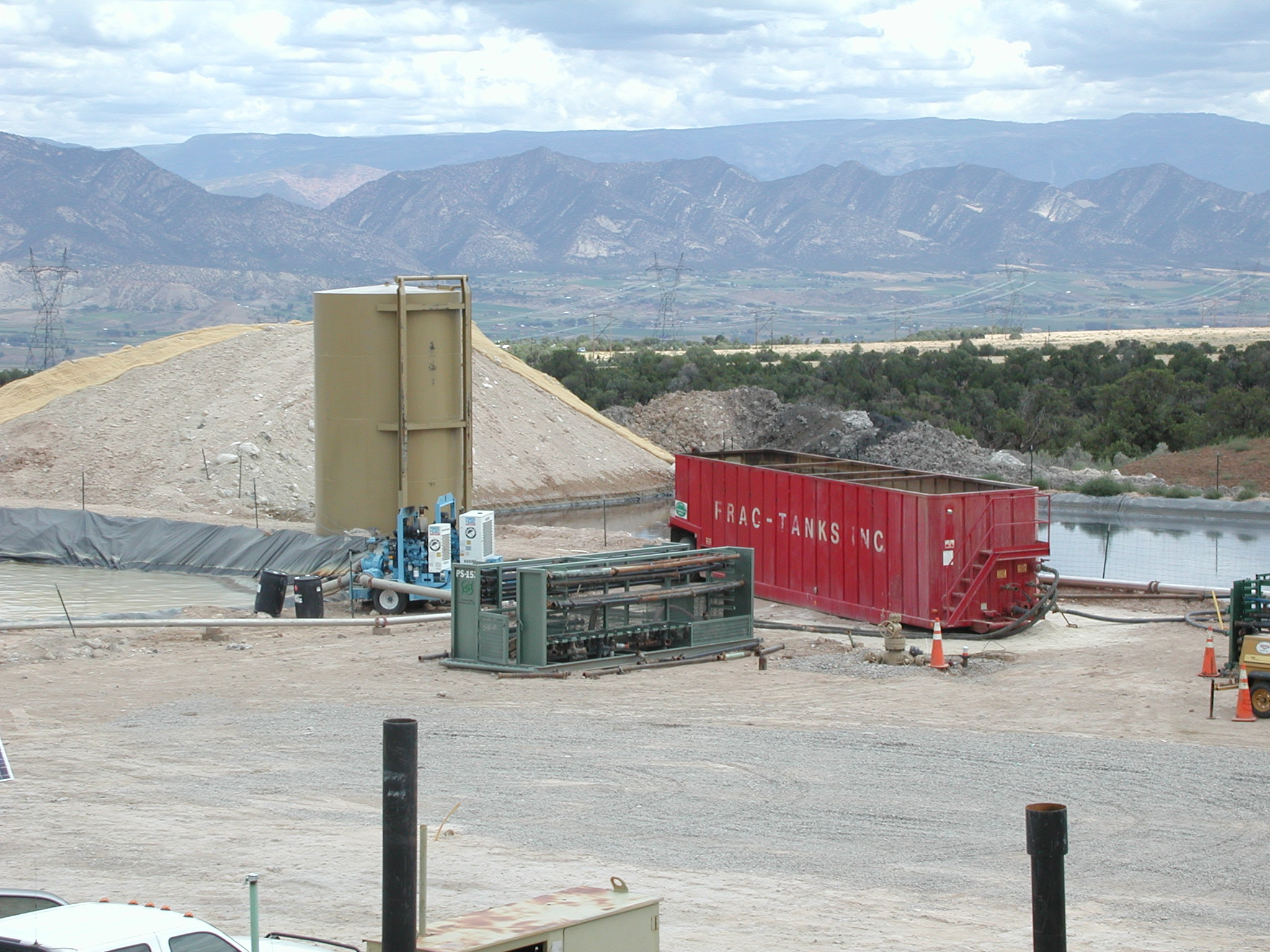
Hydraulic fracturing, or fracking, for natural gas has been blamed for making western Wyoming's air dirtier during winter than Los Angeles' air, according to this article in the Houston Chronicle. The claim was brought up during a public comment session on new rules for fracking held in Colorado by the Environmental Protection Agency.

Those new rules would reduce the air pollution from fracking by 25 percent and would boost oil and gas industry profits by capturing gas that could be sold instead of being lost to the atmosphere. Industry groups aren't sure about that and want more time to study the new rules. Colorado residents contend the industry has had enough time to clean up its act, and they want action before Colorado's mountains become socked in by haze, hurting tourism and jobs related to the outdoors.

Health issues were also cited at the hearing, with the American Lung Association urging the EPA to go further and limit methane emissions more directly. Others want the wholesale burn off of natural gas, also known as flaring, to be stopped, and still others want existing facilities to fall under the new rules as well.

Supporters of the oil and gas industry said more regulation will limit exploration, thereby reducing jobs and taxes. No new perspectives there.

Friday, November 18, 2011

TVA Fossil Plants Report Groundwater Contamination


By: Duane Craig

Tennessee Valley fossil-fuel plants contaminating groundwater

The Tennessee Valley Authority, operator of 21 fossil fueled power plants, three nuclear power plants, 29 hydroelectric dams, 14 solar power generation sites, 18 wind turbines and one methane-assisted fossil fuel power plant, has been told by its own inspector general that eight of nine fossil-fueled plants with groundwater monitoring had contaminants in the groundwater that exceeded federal limits.
The OIG also said the TVA, a wholly-owned but self-funded agency of the U.S. government, was in some cases not performing the monitoring required by its permits.
Two plants named in the OIG's report were placed on the highest severity assessment for exceeding a health based groundwater protection standard. The Cumberland plant, northwest of Nashville, was one of those, and Gallatin was the other. Both plants are on the Cumberland River.
Two other plants, Bull Run and John Sevier were placed on Phase II assessment for a significant increase in contaminants above the background levels. Bull Run is near Oak Ridge, Tennessee and the John Sevier plant is near Rogersville, Tennessee. According to its own account, the John Seveir plant released more than 5,000 pounds of toxins into water there in 2009, including nickel compounds, lead compounds, copper compounds, chromium compounds, barium compounds, arsenic compounds and ammonia. The plant also released 31 million tons of carbon dioxide, nitrogen oxides and sulphur dioxide into the air in 2010.
You can review all the reports of the TVA's OIG here.